
Glass Roof Systems: A Complete Buyer’s Guide for 2025
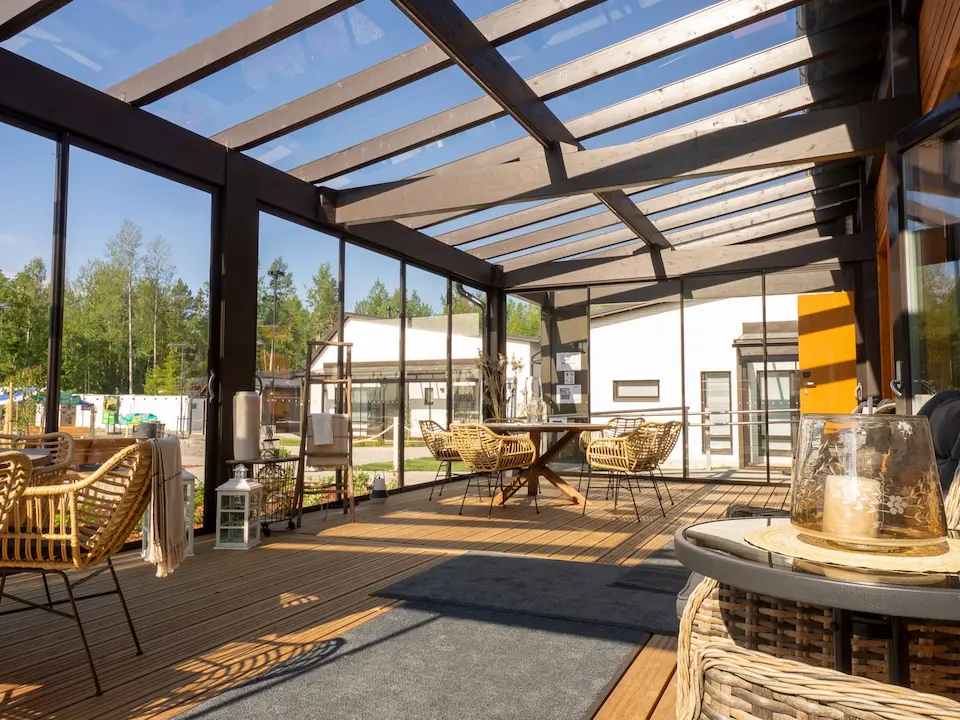
Glass roof systems have become a revolutionary alternative to traditional brick-constructed roofs and are now a dominant trend in the construction industry. These transparent architectural elements revolutionize spaces by bringing natural light and creating an openness that traditional roofing cannot achieve.
This piece will guide you through everything about flat glass roof systems, glass roof glazing systems, and glass roof fixing systems. You’ll learn about modular skylights with quick installation through prefabricated components and custom solutions that add design flexibility. We’ll help you choose the right options for both residential and commercial applications in 2025.
Overview of Glass Roof System Types
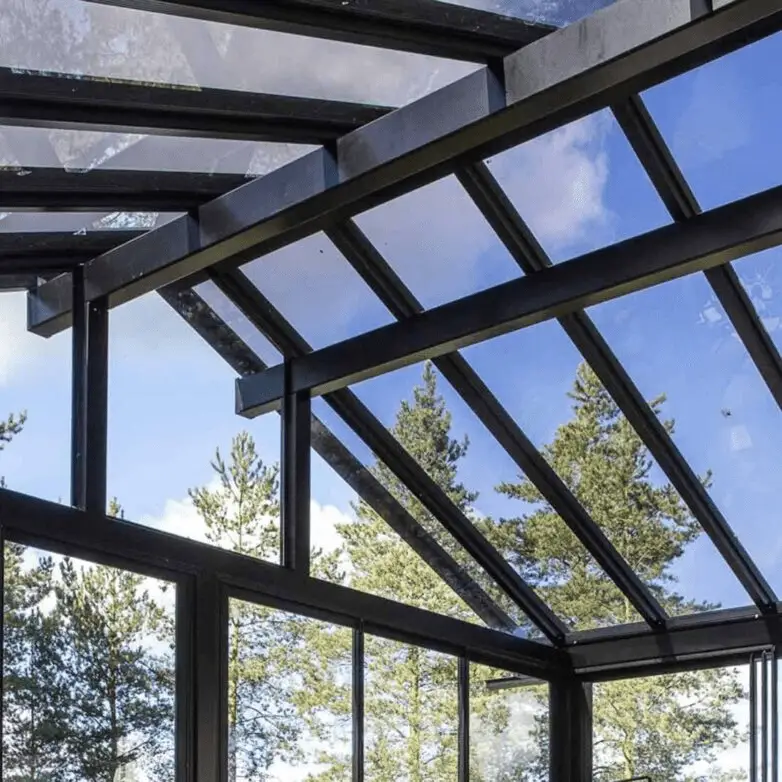
Glass roof systems come in several types, and knowing everything about them helps you make smart choices for your project. Let’s look at the main types that make up these architectural elements.
Residential vs commercial glass roof systems
Commercial glass roof systems are nowhere near similar to what you’d find in homes. Commercial glass needs to be thicker because it gets used more and faces greater wear. These installations need complex glazing methods since they’re bigger in size and scale.
The way they’re built is quite different too. Commercial glass doors and windows need heavy-duty construction and stronger glazing to handle high wind pressures and structural loads. Residential glass usually comes with vinyl framing and thinner glass. Commercial systems typically use tough aluminum frames instead.
Heat performance sets them apart as well. Commercial buildings usually have bigger glass surfaces that soak up more sunlight. The designs need special features to absorb less heat and cut down on energy costs.
Flat vs pitched glass roof systems
Installation angles create big differences in how these systems work and where they fit best. Flat rooflights sit almost level—usually with a slight 3–5° tilt for rain to drain—and they need a thermally insulated kerb. You’ll see these systems mostly in flat-roof updates like kitchen extensions and garage conversions.
Pitched rooflights work best at angles between 15–60° under rafters. They give you more focused light that moves with the sun. Unlike flat systems that need insulated kerbs and flashing, pitched ones let rain drain naturally down the slope.
Each style brings its own lighting benefits. Flat rooflights spread soft, even light that works great above kitchen islands and stairwells. Pitched units create focused beams perfect for reading corners and dining areas.
Fixed vs operable glass roofs
Fixed glass roof systems don’t move – they just let light in and keep weather out. Operable systems use motors to open and close their panels, giving you both light and fresh air.
Operable systems can reshape the scene quickly by turning outdoor areas into indoor spaces. They also handle heat better than fixed systems. When it gets warm, you can just open them up to avoid the greenhouse effect.
Today’s motorized systems pack impressive tech features. They work with wind, rain, and sun sensors, and you can control them through smart home apps like IFTTT, Amazon Alexa, and HomeKit.
Modular and Prefabricated Glass Roof Systems
Prefabrication leads modern glass roof innovation with precision and efficiency that traditional on-site construction methods cannot match. Factory-built systems deliver consistent quality through strict control processes. The components fit perfectly and create smooth, watertight installations.
Modular skylights
Modular skylights are standardized, 100% prefabricated units built in controlled factory conditions. The quality-controlled production makes sure each component meets exact specifications. These systems are watertight, airtight, and durable.
The advantages go beyond manufacturing:
- Standardized configurations and prefabricated flashings speed up installation
- Weather sealing protects structures quickly during construction
- Hidden actuators give fixed and venting modules a uniform look
These systems merge smoothly into spaces of all sizes, from large atriums to smaller corridors. They provide versatile solutions for many architectural needs. Want to learn how these systems could work for your project? Head over to Legacy Enclosures for expert advice.
Modular rooflights
Modular rooflights work best for flat installations but can handle slopes from 0 to 15 degrees. A 5-degree slope works best. Advanced connector beams join individual modules together effectively.
These rooflights excel in hallways and corridors. Custom sizes can stretch up to 3 meters in length. Ventilation needs are met with one or two hidden actuators, depending on the rooflight design.
Step solutions and atrium designs
Step solutions bring innovation by connecting multiple rows of glazing panels with structural beams. This setup works well for both mono-pitched (15-90°) and dual-pitched (25-60°) applications.
Atrium designs usually feature multiple rows of ridgelights or longlights on structural beams. These create large glazed areas where fixed and venting units look similar. Chain actuators, blinds, and low pitch capabilities make these systems highly functional. The result is stunning centerpiece spaces filled with natural daylight.
Custom and Structural Glass Roof Systems
Custom structural glass roof systems create exceptional design possibilities that go beyond prefabricated solutions. These systems give architects unlimited design flexibility to create distinctive daylight solutions, unlike their modular counterparts.
Stick systems and on-site assembly
The stick-build systems bring a completely different approach to glass roof construction. Teams assemble and glaze these systems directly at the project site by combining aluminum profiles with insulating glass units. These systems work great with large roof spans in commercial buildings and let architects complete the building’s envelope—including the façade. The on-site assembly needs expert knowledge to ensure proper installation and weatherproofing.
Glazing panels for sloped and flat roofs
Roof geometry determines the various ways to configure glazing panels. These panels can be installed between 15-90° on upstands for sloped applications. You can also use them in saw tooth roofs or as non-protruding installations. Systems like LAMILUX Glass Roof PR60 work with pitches as low as three degrees on flat roofs, which makes any esthetic daylight construction possible.
Design flexibility and architectural integration
Custom glass roofs excel at delivering unique solutions—from distinctive geometries to custom finishes. Each project stands unique, which makes customization the core of structural glazing. Legacy Enclosures can help you integrate these sophisticated systems into your architectural vision if you need both form and function.
Glass Roof Glazing and Fixing Systems
Your glass roof’s structural integrity depends on the technical specs of glazing and fixing systems. The right components will keep your investment safe and durable for years to come.
Types of glazing bars: self-supporting vs rafter-supported
Self-supporting glazing bars work quite differently from their rafter-supported cousins. These bars can hold both their own weight and the glazing material without extra support along the way. Rafter-supported bars need wooden rafters placed at set distances to secure them properly.
Self-supporting bars can handle impressive spans up to almost 6 meters without extra structural support. Notwithstanding that, you should check the bar’s snow loading table to figure out safe bar spacing before starting any installation.
Glass thickness and weight considerations
Glass weighs a lot more than other materials – just look at the numbers. A 6mm solid polycarbonate weighs 7.2kg/m², while 7.5mm laminated glass tips the scales at 15kg/m². This weight difference changes everything from structural needs to how you install it.
Several factors play a role in picking the right glass thickness:
- Panel size (bigger panels need thicker glass)
- Support system design
- Local weather conditions
- Building code requirements
Fixing systems for safety and durability
Safety rules say you need toughened laminated glass for the inner pane in overhead glazing. Laminated safety glass (8.8mm) works best because its PVB interlayer keeps glass pieces together if something breaks.
Safety testing for glass roofs is pretty intense. One test drops a 45kg sandbag from 1.2m height onto the rooflight to see what happens if someone falls on it.
Alternatives like polycarbonate and Axgard
Axgard glazing sheets beat traditional glass hands down – they’re about 200 times stronger than same-thickness glass. Unlike cheaper styrene or PVC options, these sheets come with full UV protection on both sides, so they won’t turn yellow or break down over time.
Axgard looks just as clear as glass but you can’t break it easily. This makes it perfect for spots where things might hit the roof or safety is your top priority.
Conclusion
Glass roof systems revolutionize modern architecture. This piece explores how these systems balance visual appeal with practical functionality in residential extensions and commercial atriums. Different configurations serve unique architectural needs and environmental conditions – from flat to pitched and fixed to operable designs.
Your glass roof project’s cost plays a vital role in planning. The original investment might look substantial, but natural lighting, improved spatial perception, and potential energy savings make it worth the cost. You need to evaluate both your current budget limits and the long-term value to make smart decisions.
Your specific requirements determine the choice between modular prefabricated systems and custom solutions. Modular options give you quick installation and standardized quality. Custom structural systems offer unique design flexibility that matches your architectural vision. Talk to experts at Legacy Enclosures who can match your needs with the right system.
Never compromise on safety and durability when you pick glazing materials and fixing systems. The right mix of glass thickness, proper fixing mechanisms, and alternatives like polycarbonate help your installation last longer and keep occupants safe.
Glass roof systems are more than a construction choice- they show a transformation toward spaces that connect us with natural light while protecting us from the elements. These transparent wonders will keep changing our built environment as we look toward architectural trends in 2025 and beyond, one sunbeam at a time.
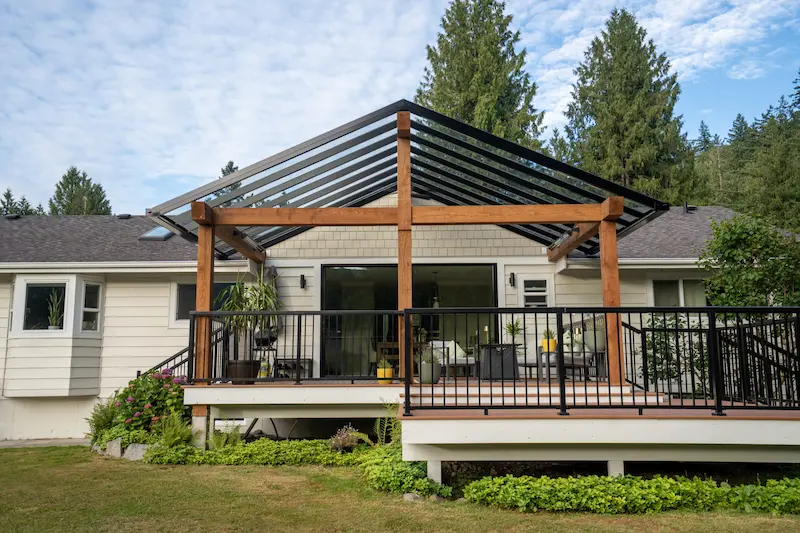
Key Takeaways
Glass roof systems offer transformative architectural solutions that bring natural light and openness to both residential and commercial spaces.
- Choose the right system type: Flat glass roofs work best for extensions and conversions, while pitched systems provide directional light following the sun’s path.
- Consider modular vs custom options: Prefabricated modular systems offer quick installation and consistent quality, while custom structural systems provide unlimited design flexibility.
- Factor in weight and safety requirements: Glass weighs twice as much as polycarbonate alternatives, requiring proper structural support and laminated safety glass for overhead installations.
- Evaluate operable vs fixed systems: Fixed glass provides constant light, while motorized operable systems offer ventilation control and smart home integration capabilities.
- Plan for long-term value: Despite higher upfront costs, glass roofs deliver lasting benefits through natural lighting, improved spatial perception, and potential energy savings over time.
The key to successful glass roof installation lies in matching your specific architectural needs, budget constraints, and safety requirements with the appropriate system type and professional expertise.
FAQs
Q1. What are the main types of glass roof systems? Glass roof systems can be categorized into residential and commercial types, flat and pitched designs, and fixed or operable configurations. Each type serves different purposes and offers unique benefits depending on the architectural needs and environmental conditions.
Q2. Are glass roof systems energy efficient?
Yes. Modern glass roof systems use insulated glazing, Low-E coatings, and thermally broken frames to reduce heat transfer. Operable designs also allow natural ventilation, improving comfort and lowering energy costs over time.
Q3. What are the advantages of modular glass roof systems? Modular glass roof systems offer benefits such as fast installation, consistent quality due to factory production, and easy integration into various spaces. They also provide quick weather sealing during construction and uniform appearance between fixed and venting modules.
Q4. Are glass roof systems safe? Yes, glass roof systems are designed with safety in mind. They typically use toughened laminated glass for the inner pane, and undergo rigorous testing. For instance, a 45kg sandbag drop test is used to simulate someone falling onto the rooflight to ensure its durability and safety.
Q5. What alternatives are available to traditional glass in roof systems? Alternatives to traditional glass include materials like polycarbonate and Axgard. Axgard, for example, is about 200 times stronger than equivalent thickness glass, maintains glass-like clarity, and is virtually unbreakable, making it ideal for areas prone to impacts or where safety is a primary concern.